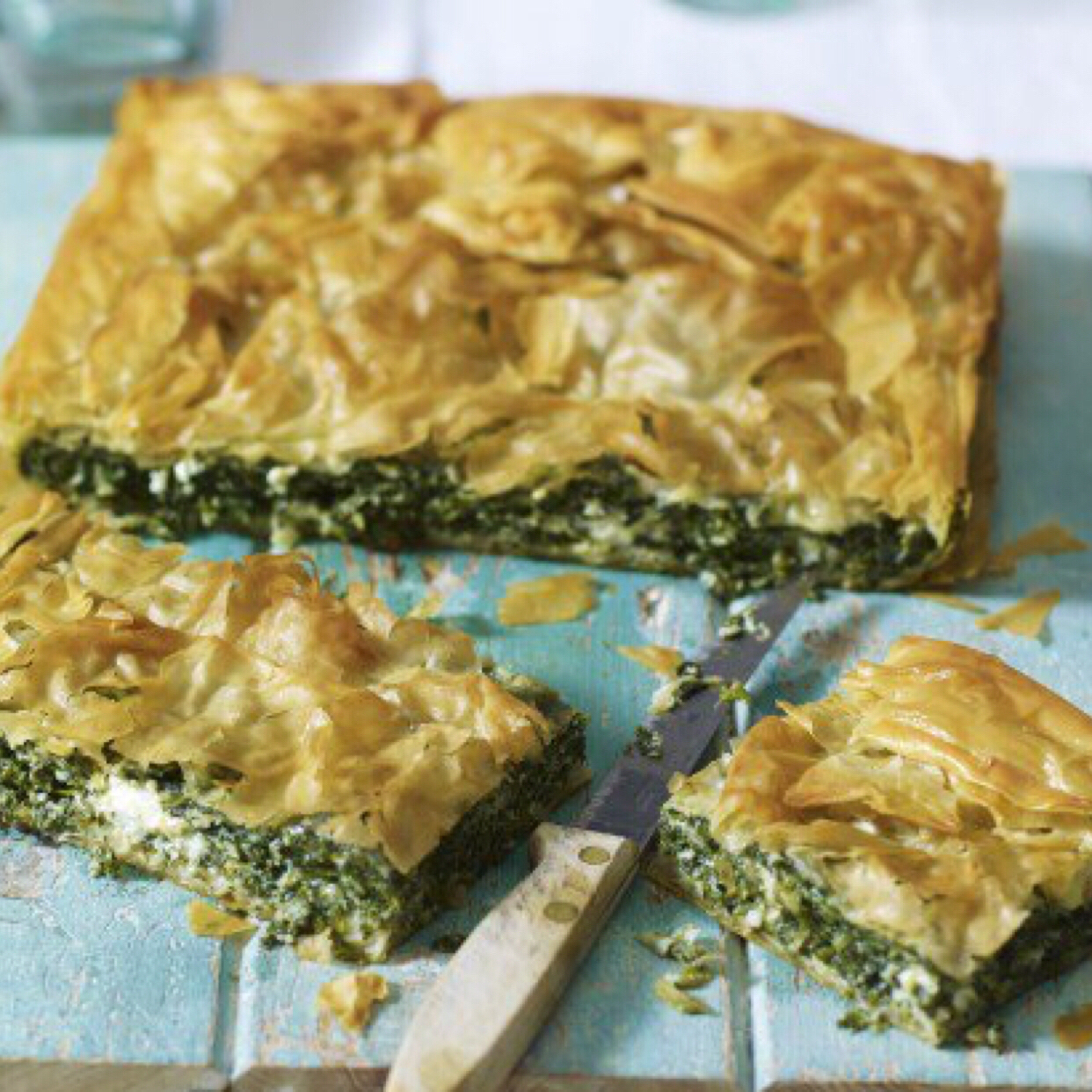
Spanakopita
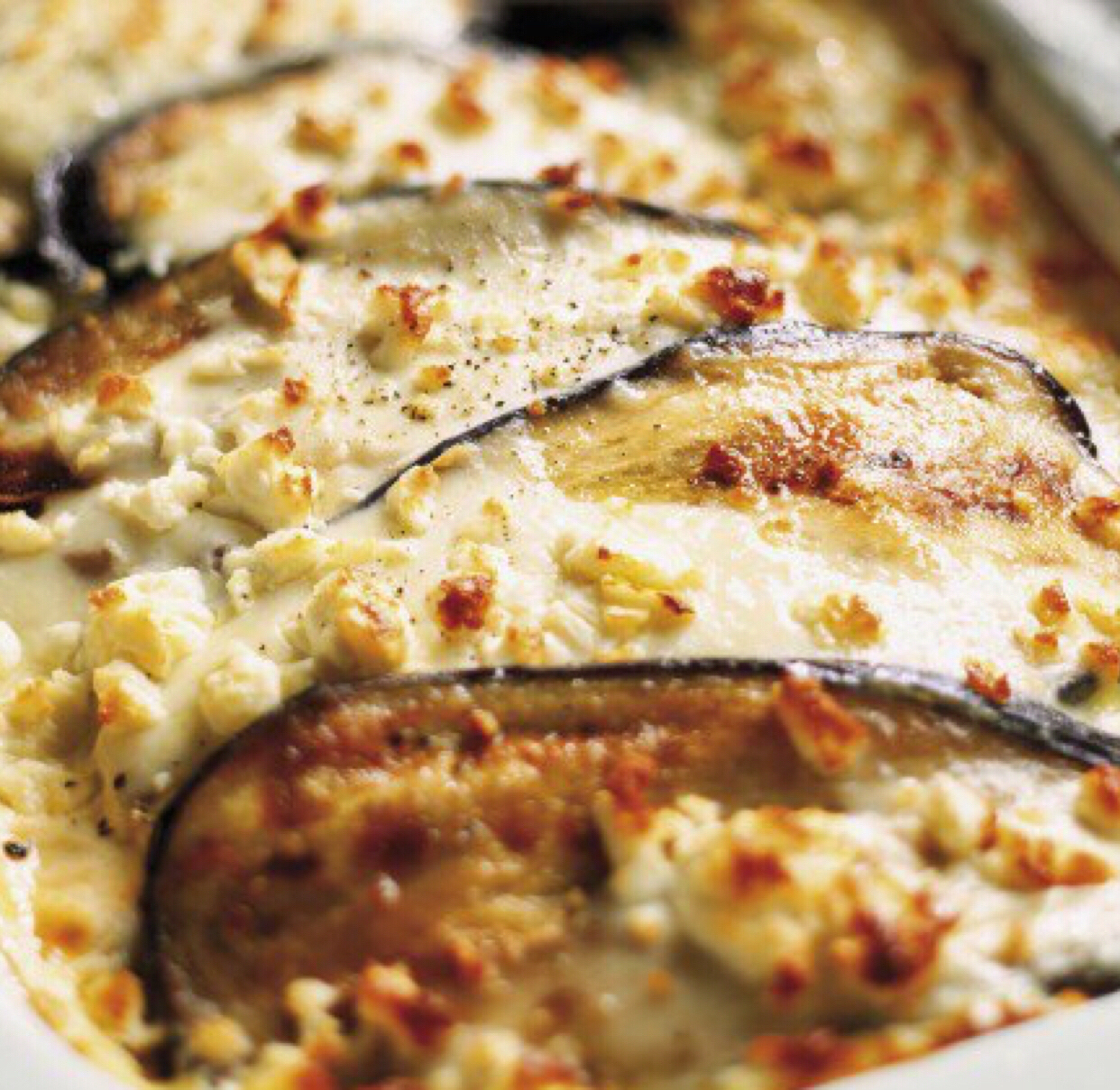
Mousakka
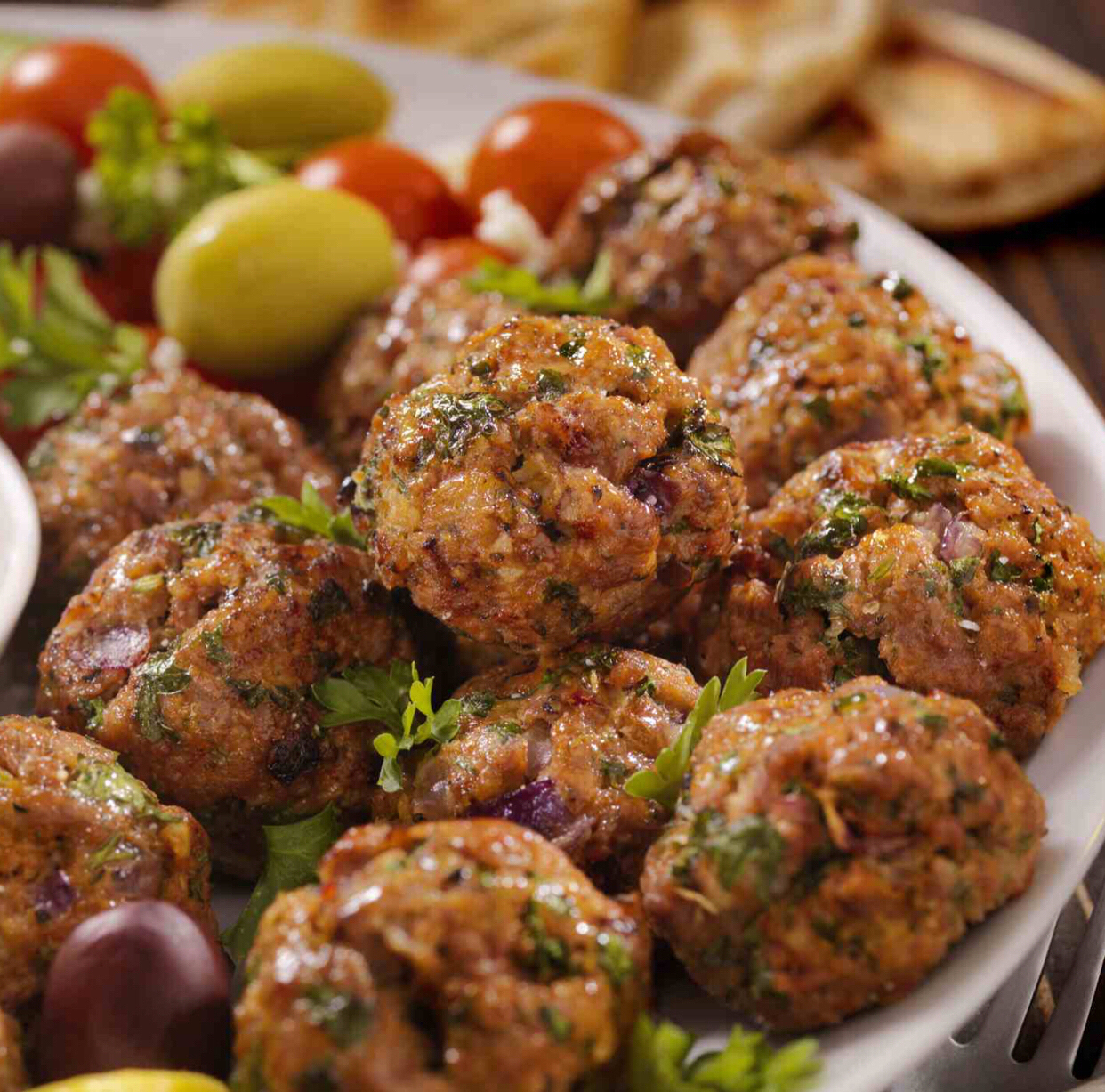
Keftethes
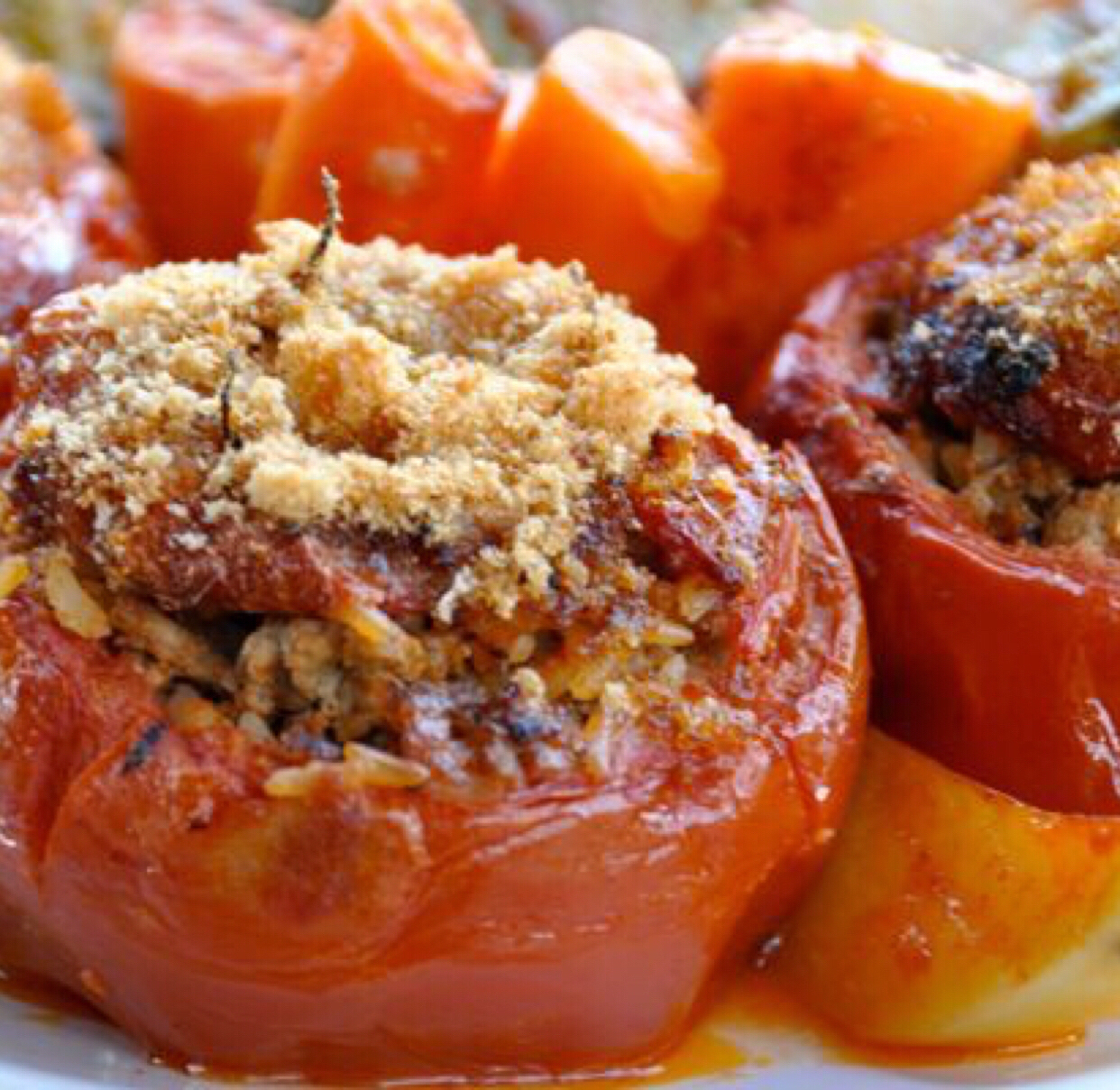
Domates yemistes

Baklava
Spanakopita
Mousakka
Keftethes
Domates yemistes
Baklava
There are many Greek restaurants in the United States, with 3,100 categorizing themselves as such, and at least one exists in every U.S. state. In the U.S., Greek restaurateurs may provide authentic Greek cuisine and customs. They may also offer dishes from other cuisines. Many Greek restaurants in the U.S. were started by immigrants from Greece, some of which began due to new health codes in the U.S. during the early 20th century that limited or restricted food carts. Per these restrictions during this time, some people opened Greek restaurants instead. Additionally during this time period, many Greek confectionery and sweetshop businesses declined due to an increase in manufactured candies and sweets. Many of these companies transformed their businesses into lunch rooms, and later, restaurants. It has been estimated that approximately 7,000 Greek restaurants existed in the U.S. by the beginning of the Great Depression.
We serve contemporary Greek food that makes wide use of vegetables, olive oil, grains, fish, wine (white and red), and meat (including lamb, poultry, veal, beef, rabbit, and pork). Other important ingredients include olives, pasta (especially hyllopites, a kind of pasta similar to tagliatelle), cheese, lemon juice, herbs, bread, and yogurt. The most commonly used grain is wheat; barley is also used. Common dessert ingredients include nuts, honey, fruits, and filo pastries. It is strongly influenced by Ottoman cuisine and thus, especially cuisine of Anatolian Greeks shares foods such as baklava, tzatziki, gyro, moussaka, dolmades, yuvarlakia, and keftethes with the neighboring countries. It is also influenced by Italian cuisine and cuisines from other neighboring south European countries, and thus, especially in southern regions and the islands it includes several kinds of pasta, like hyllopites, gogkes, and tziolia.